
As the holy month of Ramadan dawns upon us, Muslims worldwide embrace the spirit of compassion, generosity, and spiritual growth. Central to the observance of Ramadan is the act of giving Zakat, an obligation incumbent upon those who possess wealth to support those in need. Let us delve into the significance of giving Zakat during Ramadan, exploring its profound impact on individuals and communities alike.
The Meaning and Purpose of Zakat:
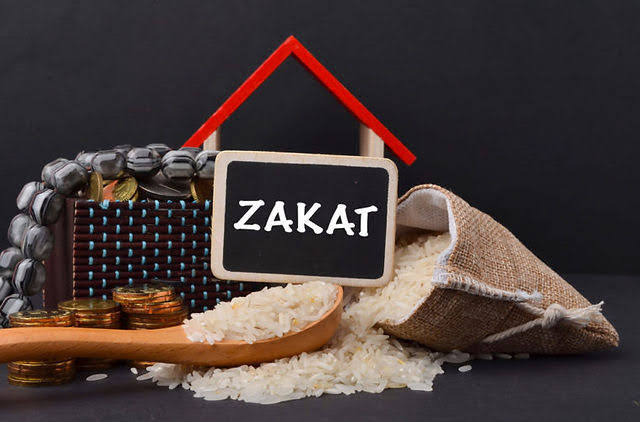
Zakat, derived from the Arabic word meaning "purification" or "growth," holds a special place in Islam as one of the five pillars of the faith. It is an obligatory form of almsgiving, designed to purify one's wealth and redistribute it to those less fortunate. By giving Zakat, Muslims fulfill a fundamental duty to assist the marginalized and uplift the community as a whole.
The Blessings of Giving Zakat in Ramadan:
Ramadan serves as a time of heightened spirituality and divine blessings, making it an ideal period for giving Zakat. The Prophet Muhammad (peace be upon him) emphasized the importance of charity during this sacred month, stating, "The best charity is that given in Ramadan."
Giving Zakat during Ramadan carries additional rewards and blessings, as it aligns with the spirit of selflessness, empathy, and devotion that permeates the month. It allows individuals to multiply their rewards and seek the pleasure of Allah through acts of generosity and compassion.
Empowering Communities through Zakat:
The act of giving Zakat extends beyond mere financial assistance; it serves as a catalyst for social change and community empowerment. Through Zakat, individuals and families facing hardship receive vital support to meet their basic needs, including food, shelter, healthcare, and education.
Moreover, Zakat fosters a sense of solidarity and mutual support within the Muslim community, as individuals come together to alleviate the suffering of their fellow brothers and sisters. It reinforces the principle of shared responsibility and collective welfare, strengthening the fabric of society and promoting social justice.
Fulfilling the Obligation with Integrity and Compassion:
Giving Zakat is not merely a matter of fulfilling a religious obligation; it is an expression of compassion, empathy, and solidarity with the less fortunate. It requires individuals to approach wealth with humility and gratitude, recognizing that all blessings ultimately come from Allah.
Furthermore, it is essential to give Zakat with sincerity and integrity, ensuring that it reaches those who are truly in need. Muslims are encouraged to research and identify reputable charitable organizations or directly support individuals and families struggling to make ends meet.
The Ripple Effect of Generosity:
The impact of giving Zakat extends far beyond the immediate recipients; it creates a ripple effect of kindness and compassion that reverberates throughout society. By uplifting the marginalized and empowering the vulnerable, Zakat lays the foundation for a more equitable and compassionate world.
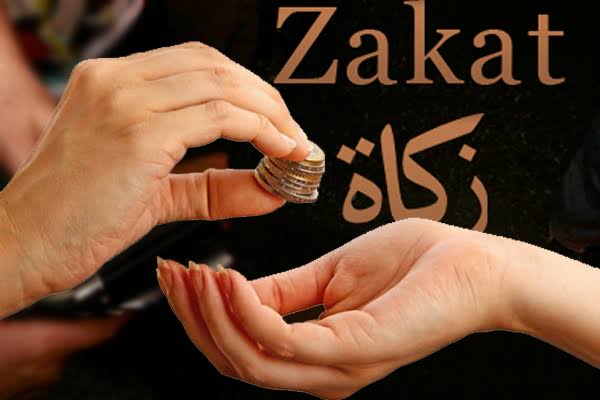
In conclusion, giving Zakat in Ramadan is a sacred and transformative act that embodies the essence of Islam's teachings on compassion, generosity, and social justice. As Muslims embark on their spiritual journey during this blessed month, let us remember the profound impact of Zakat and strive to make a difference in the lives of others. May our contributions bring hope, dignity, and solace to those in need, and may the blessings of Ramadan illuminate our path towards a more compassionate and justice society.

 362.339 SRY